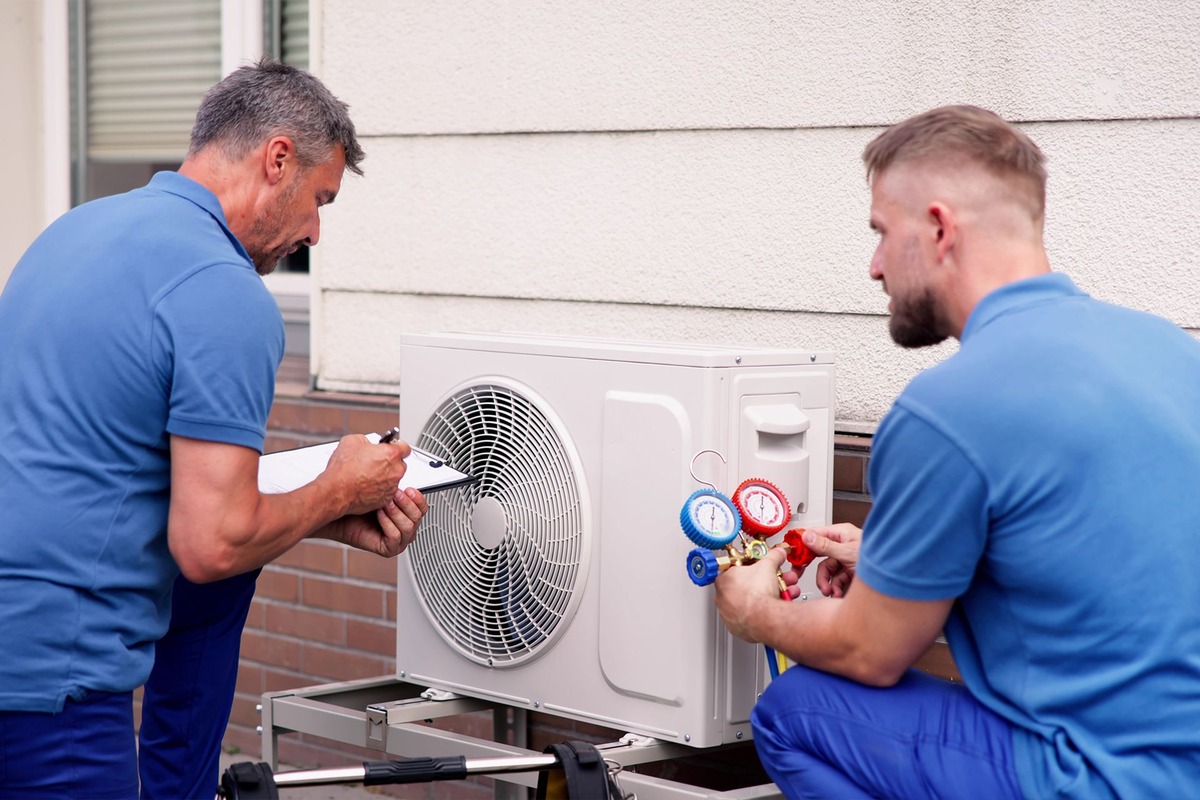
Heat Pump Service & Conversion: A Smarter Approach to Year-Round Comfort in 2026

Heating and cooling technology continues to evolve as homeowners and businesses look for more efficient ways to maintain comfortable indoor temperatures. Heat pumps have become an increasingly popular option because they can provide both heating and cooling from a single system.
For properties with aging HVAC equipment, transitioning to heat pump technology can be an opportunity to modernize the system while improving temperature control and potentially reducing energy consumption. However, conversion is not simply a matter of replacing one piece of equipment with another. The property's existing HVAC infrastructure, electrical capacity, ductwork, insulation, and comfort requirements all need to be considered.
Professional Heat Pump Service & Conversion can help property owners maintain existing equipment and determine whether switching to a heat pump is the right choice.
What Is a Heat Pump?
Unlike conventional heating equipment that generates heat, a heat pump transfers heat between indoor and outdoor environments.
During cooling operation, the system removes heat from the building and transfers it outside. During heating operation, the process reverses, allowing the system to bring heat indoors.
This makes heat pumps capable of providing both heating and cooling with one integrated system.
Heat pump technology can be used in:
- Single-family homes
- Apartments
- Home additions
- Offices
- Retail spaces
- Light commercial properties
The best system depends on the building's size, layout, climate, insulation, and existing HVAC infrastructure.
Why Heat Pump Service Matters
Heat pumps operate in both heating and cooling modes, which means they may be used throughout much of the year. Regular professional service can help maintain reliable operation and identify developing issues.
Potential warning signs include:
- Inconsistent heating or cooling
- Weak airflow
- Unusual noises
- Frequent cycling
- Ice buildup
- Higher energy consumption
- Thermostat problems
- Reduced system performance
Ignoring these symptoms may allow a small issue to develop into a larger repair.
Professional maintenance can include inspection of electrical components, coils, airflow, controls, refrigerant performance, condensate drainage, and other system components.
What Is a Heat Pump Conversion?
A heat pump conversion generally involves transitioning from a conventional heating and cooling setup to a heat pump-based system.
The process begins with an evaluation of the existing property. A qualified HVAC professional may assess:
- Current heating and cooling equipment
- Building size
- Existing ductwork
- Insulation
- Electrical service
- Thermostat and controls
- Heating requirements
- Cooling requirements
- Available installation space
This evaluation helps determine whether the property is suitable for the proposed equipment.
Benefits of Heat Pump Technology
One of the main advantages of a heat pump is its ability to provide both heating and cooling.
Year-Round Operation
Instead of relying on separate systems for heating and cooling, a heat pump can perform both functions.
Potential Energy Savings
Heat pumps transfer heat rather than generating it through conventional combustion or electric resistance heating. Depending on the system, climate, and operating conditions, this can provide an efficient way to manage indoor temperatures.
Flexible Comfort Control
Modern heat pumps can work with advanced thermostats and zoning controls, giving occupants greater control over different areas of a property.
Modern HVAC Technology
Newer heat pumps may include variable-speed compressors, advanced sensors, inverter technology, and smart controls.
Heat Pump Service and Preventive Maintenance
Routine maintenance is important for keeping heat pump equipment operating properly.
A professional service visit may include:
- Inspecting electrical connections.
- Checking indoor and outdoor coils.
- Evaluating airflow.
- Testing thermostat operation.
- Inspecting condensate drainage.
- Checking system controls.
- Evaluating refrigerant performance.
- Inspecting fans and motors.
- Testing heating and cooling operation.
The specific procedures depend on the system and manufacturer recommendations.
When Should You Consider Conversion?
Not every property needs to convert to a heat pump. However, there are situations where it may be worth evaluating.
A conversion may be considered when:
- Existing HVAC equipment is aging
- Repairs are becoming frequent
- Heating costs are increasing
- Cooling performance has declined
- A major HVAC replacement is already being planned
- The property would benefit from one system providing both heating and cooling
The decision should be based on the property's actual requirements rather than simply choosing the newest available technology.
Heat Pump Conversion and Existing Ductwork
Existing ductwork can play an important role in a conversion. Ducts that are undersized, poorly sealed, damaged, or inadequately insulated can affect HVAC performance.
Before converting, a professional may inspect accessible ductwork and airflow.
In some properties, duct modifications may be necessary. In others, existing ductwork may be suitable for the new system.
This is why a property assessment should be completed before equipment is selected.
Smart Heat Pump Technology in 2026
Heat pump technology continues to become more connected. Modern systems may integrate with smart thermostats, mobile applications, sensors, and home automation platforms.
Depending on the equipment, homeowners may be able to:
- Adjust temperatures remotely
- Create heating and cooling schedules
- Monitor system performance
- Receive maintenance alerts
- Track energy usage
- Manage different comfort zones
Variable-speed and inverter-driven technology can also allow equipment to adjust its output based on demand rather than simply operating at one fixed capacity.
These features can improve comfort and convenience when properly matched to the property.
Repair or Convert?
Homeowners with an aging heat pump or conventional HVAC system may need to decide whether repair or conversion makes more sense.
Repair may be appropriate when the system is relatively new and the issue involves a replaceable component.
Conversion or replacement may deserve consideration when the equipment is old, inefficient, unreliable, or experiencing repeated major repairs.
A professional can compare:
- Repair costs
- Equipment age
- Current efficiency
- Expected future repairs
- Installation requirements
- Operating costs
- Long-term comfort goals
This comparison can help property owners make a more informed investment.
Choosing a Heat Pump Professional
When searching for Heat Pump Service & Conversion, property owners should choose an HVAC provider with experience in heat pump technology and modern control systems.
Look for a professional who offers:
- Heat pump maintenance
- Heat pump repair
- Conversion services
- Installation and replacement
- System diagnostics
- Ductwork evaluation
- Thermostat installation
- Zoning solutions
- Clear recommendations
- Transparent pricing
A knowledgeable HVAC professional should evaluate the complete system instead of focusing only on the outdoor equipment.
Conclusion
Heat pump technology provides a practical approach to year-round heating and cooling, particularly for property owners interested in modern HVAC solutions. However, successful conversion depends on proper equipment selection, sizing, installation, and system compatibility.
Professional Heat Pump Service & Conversion can help homeowners maintain existing equipment while evaluating whether a transition to heat pump technology is appropriate.
In 2026, variable-speed operation, inverter technology, smart thermostats, and connected controls are giving property owners more ways to manage indoor comfort. These innovations can be valuable, but they work best when supported by professional installation and routine maintenance.
Before making an HVAC investment, property owners should have their existing system evaluated and compare the long-term benefits of repair, replacement, and conversion. With the right equipment and professional care, a modern heat pump can provide dependable heating and cooling while supporting a comfortable indoor environment throughout the year.

About Premium Author
This post has been authored and published by one of our premium contributors, who are experts in their fields. They bring high-quality, well-researched content that adds significant value to our platform.

Popular Categories
Stay Connected
Recent Posts