2026 HVAC Trends for Efficient Heating and Cooling in Mundelein
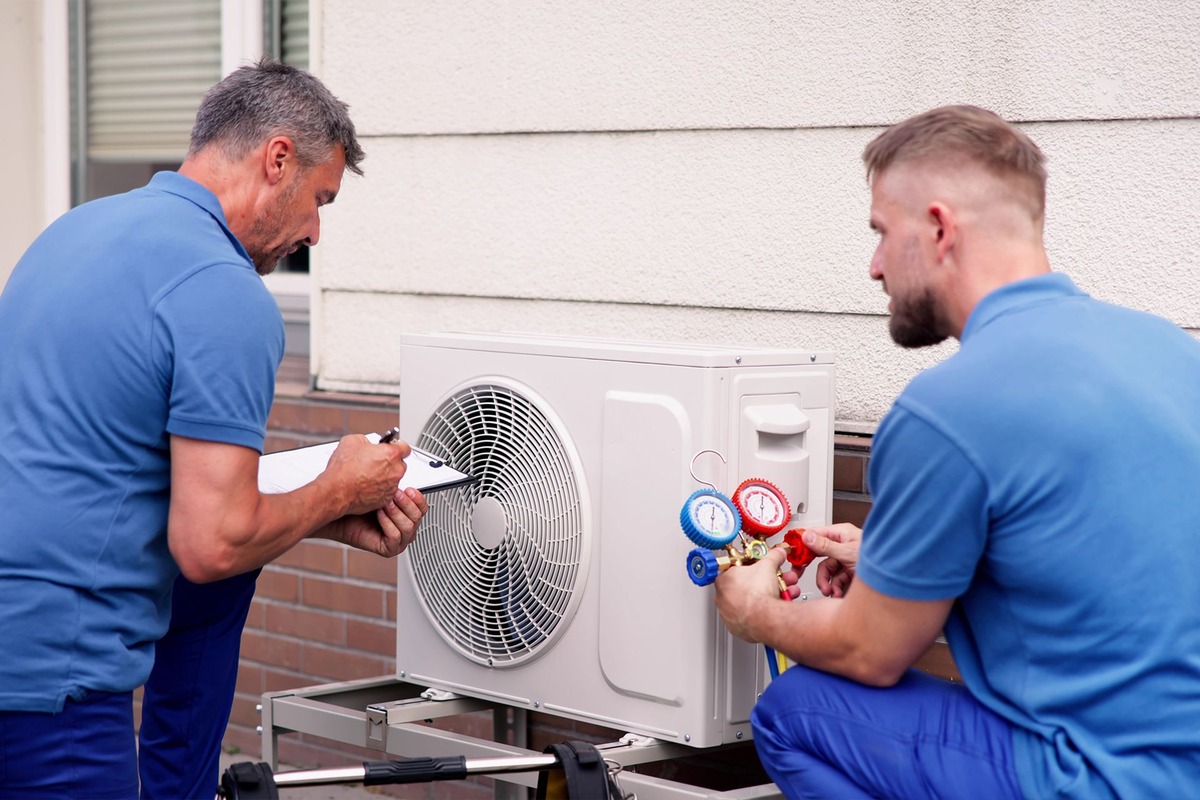
Heating and cooling technology is changing quickly as homeowners look for better comfort, lower energy consumption, and more reliable indoor climate control. In 2026, the HVAC industry is increasingly focused on smart controls, variable-speed equipment, heat-pump technology, improved indoor air quality, and predictive maintenance.
For homeowners researching hvac near me mundelein, understanding these developments can make it easier to evaluate heating and cooling options. Modern HVAC service is no longer limited to repairing a broken furnace or air conditioner. Today's systems can provide intelligent temperature management, improved efficiency, and more personalized comfort throughout a property.
Smart HVAC Technology Is Becoming the New Standard
Smart technology is one of the most important trends influencing residential heating and cooling. Connected thermostats can allow homeowners to adjust temperature settings through smartphones, create automated schedules, monitor energy consumption, and receive system notifications.
Some advanced controls can also learn household routines. Instead of relying entirely on fixed schedules, intelligent systems can adjust operation based on occupancy, weather conditions, and previous temperature preferences.
This can make HVAC management more convenient while helping homeowners avoid unnecessary heating and cooling when a property is unoccupied.
Variable-Speed Equipment Improves Comfort
Variable-speed technology is becoming increasingly common in modern HVAC equipment. Traditional systems generally operate at predetermined capacity levels, while variable-speed compressors and blower motors can adjust performance according to actual demand.
During moderate weather, the equipment can operate at a lower capacity. When outdoor temperatures become more extreme, the system can increase output.
This approach can help maintain more consistent indoor temperatures and reduce frequent start-and-stop cycles. It may also improve humidity control during cooling season.
However, the benefits of variable-speed technology depend heavily on proper equipment selection, sizing, installation, and maintenance.
Heat Pumps Continue Expanding
Heat pumps are another major trend in residential HVAC. Modern heat pumps can provide both heating and cooling, making them versatile solutions for year-round comfort.
Advances in cold-climate heat-pump technology are also expanding their usefulness in regions that experience significant winter temperatures.
Instead of generating heat through combustion, a heat pump transfers thermal energy from one location to another. This operating principle can provide efficient heating under appropriate conditions.
Homeowners considering a heat pump should evaluate building characteristics, existing equipment, insulation, electricity costs, and local climate before making a decision.
Indoor Air Quality Is Receiving More Attention
Temperature is only one part of indoor comfort. Homeowners are increasingly interested in humidity control, filtration, ventilation, and other indoor air quality solutions.
Modern HVAC systems can be paired with high-efficiency filters, whole-home humidifiers, dehumidifiers, air-cleaning technologies, and zoning systems.
Proper filtration can help capture airborne particles, while humidity management can make indoor environments more comfortable.
However, HVAC professionals should evaluate system compatibility before installing highly restrictive filtration products or additional equipment. Every component should work together without unnecessarily restricting airflow.
Predictive Maintenance Is Changing HVAC Service
Traditional HVAC maintenance is often reactive. A system breaks down, and the homeowner calls for service.
Predictive maintenance takes a different approach by using system data to identify unusual operating patterns before a complete failure occurs.
Connected equipment can monitor information such as runtime, temperature changes, cycling frequency, and other performance indicators. When operating behavior changes significantly, homeowners or technicians may receive an alert.
This technology can support earlier intervention and potentially reduce unexpected breakdowns.
Proper HVAC Sizing Remains Essential
Even the most advanced HVAC system can perform poorly if it is improperly sized.
An oversized air conditioner may cool a property rapidly but cycle too frequently to provide effective humidity control. An undersized system may run continuously during extreme weather while struggling to reach the desired temperature.
Professional load calculations consider factors such as building dimensions, insulation, windows, occupancy, orientation, and local climate conditions.
Choosing equipment based solely on the capacity of an older system is therefore not always the best approach.
Ductwork Can Influence Efficiency
Air distribution is another important consideration when improving HVAC performance.
Leaking, poorly insulated, or restricted ductwork can reduce the amount of conditioned air reaching living spaces. This can create temperature differences between rooms and force equipment to operate longer.
During an HVAC upgrade, professionals can inspect ductwork and identify airflow problems.
Improving the distribution system can help newer equipment perform closer to its intended capacity while supporting more consistent comfort throughout the property.
Energy Efficiency Is More Than Equipment Ratings
High-efficiency equipment can reduce energy consumption, but the entire home affects HVAC performance.
Insulation, windows, air leakage, ductwork, thermostat settings, filter condition, and equipment maintenance all contribute to overall efficiency.
Homeowners can therefore benefit from taking a whole-building approach rather than focusing exclusively on the equipment's efficiency rating.
Simple practices such as replacing filters when necessary, keeping outdoor units clear, and maintaining sensible temperature settings can support reliable operation.
Professional Installation Makes a Difference
Modern HVAC systems contain increasingly sophisticated electronics and controls. Proper installation is essential for achieving the expected performance.
Incorrect wiring, inadequate airflow, poor refrigerant practices, or improper configuration can reduce efficiency and shorten equipment life.
Professional technicians can evaluate the property's requirements, recommend compatible equipment, and configure the system according to manufacturer specifications.
This becomes especially important with variable-speed equipment, heat pumps, zoning systems, and connected controls.
Choosing an HVAC Service Provider
When homeowners search for hvac near me mundelein, they should consider more than proximity.
Experience with modern equipment, transparent service practices, proper licensing and qualifications, maintenance capabilities, and knowledge of smart HVAC technology are all useful factors to evaluate.
A reliable provider should be able to explain repair, maintenance, and replacement options clearly rather than recommending a particular solution without assessing the system.
Homeowners can also ask about preventative maintenance programs, emergency service availability, equipment compatibility, and installation practices.
The Future of Heating and Cooling
The HVAC industry is moving toward systems that are smarter, more efficient, more connected, and increasingly focused on whole-home comfort.
Throughout 2026 and beyond, homeowners can expect continued development in artificial intelligence, variable-speed technology, heat pumps, smart thermostats, indoor air quality equipment, and predictive diagnostics.
The best results will come from combining these technologies with proper installation and regular professional maintenance.
A modern HVAC system should not simply provide heating or cooling when temperatures become uncomfortable. It should operate efficiently, respond to changing household conditions, maintain consistent comfort, and provide homeowners with better insight into system performance.
By understanding current HVAC trends and choosing equipment and service based on the needs of their property, homeowners can make more informed decisions and create comfortable, efficient indoor environments for years to come.

About Premium Author
This post has been authored and published by one of our premium contributors, who are experts in their fields. They bring high-quality, well-researched content that adds significant value to our platform.

Popular Categories
Stay Connected
Recent Posts