Heat Pump Service & Conversion | Efficient HVAC Solutions 2026
Homeowners are increasingly looking for HVAC systems that provide dependable comfort while using energy efficiently. Traditional heating and cooling equipment can still be effective, but heat pump technology offers another approach by providing both heating and cooling from a single system.
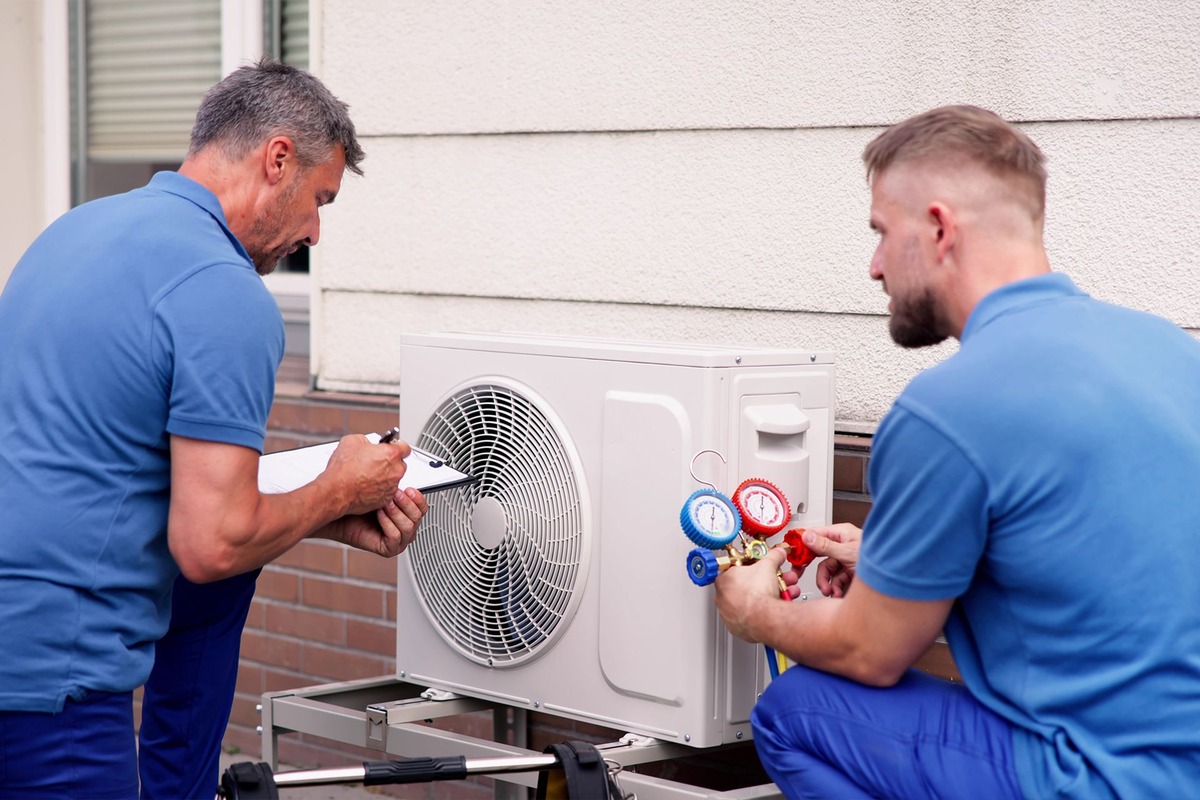
For homeowners considering an upgrade or already using heat pump equipment, professional Heat Pump Service & Conversion can help maintain reliable performance and determine whether converting from an existing HVAC setup is the right choice.
In 2026, advances in variable-speed technology, smart controls, and heat pump efficiency are making these systems an increasingly attractive option for homeowners seeking flexible year-round climate control.
What Is a Heat Pump?
A heat pump transfers heat rather than generating it in the traditional sense. During cooling mode, it removes heat from indoor air and transfers it outdoors. During heating mode, the process reverses, allowing the system to bring available heat indoors.
This means one system can provide both heating and cooling.
Depending on the property and equipment, heat pumps can offer:
- Year-round temperature control
- Efficient heating and cooling
- One integrated HVAC system
- Consistent indoor comfort
- Compatibility with modern smart controls
Because heat pumps operate differently from conventional furnaces and air conditioners, professional installation and maintenance are important for reliable performance.
Why Heat Pumps Need Professional Service
Like any HVAC system, a heat pump contains mechanical, electrical, refrigerant, and control components that require periodic attention.
A system that is not operating correctly may show signs such as:
- Insufficient heating or cooling
- Weak airflow
- Unusual noises
- Frequent cycling
- Ice buildup
- Increasing energy consumption
- Poor temperature consistency
- Strange odors
- Difficulty reaching the thermostat setting
Prompt professional service can help identify the cause before a minor issue develops into a larger equipment problem.
What Does Heat Pump Service Include?
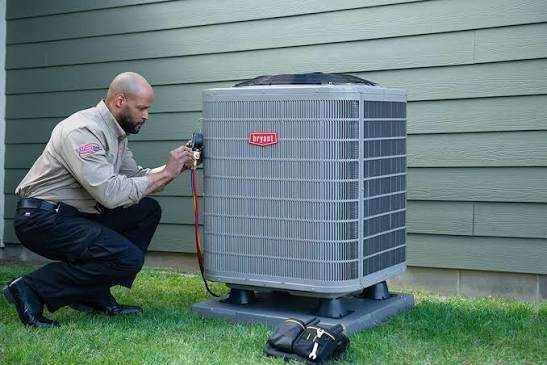
Professional Heat Pump Service & Conversion can involve a comprehensive inspection of the system and its supporting components.
Depending on the equipment, a service appointment may include:
- Checking refrigerant performance
- Inspecting electrical connections
- Testing thermostat operation
- Cleaning coils
- Checking airflow
- Inspecting blower components
- Examining condensate drainage
- Testing system controls
- Evaluating overall heating and cooling performance
Regular maintenance can help keep the equipment operating efficiently while providing an opportunity to identify worn components.
Understanding Heat Pump Conversion
A heat pump conversion typically involves replacing or modifying an existing HVAC arrangement so that a heat pump becomes the primary source of heating and cooling.
The process may involve:
- Removing older HVAC equipment
- Installing a suitable heat pump
- Evaluating ductwork
- Updating electrical connections
- Installing compatible controls
- Adjusting system configuration
- Testing airflow and performance
A conversion should begin with a professional evaluation rather than simply selecting equipment based on its advertised efficiency.
Is Your Home Ready for a Heat Pump Conversion?
Several factors can influence whether a heat pump conversion makes sense for a particular property.
An HVAC professional may evaluate:
- Home size
- Existing heating system
- Existing cooling system
- Ductwork condition
- Insulation
- Electrical capacity
- Climate
- Household comfort preferences
- Existing HVAC efficiency
Proper sizing is particularly important. An oversized or undersized system may not provide the comfort and efficiency homeowners expect.
Benefits of Heat Pump Technology
Heat pumps can provide several advantages when properly designed and installed.
Heating and Cooling in One System
A heat pump can provide both functions, reducing the need for separate heating and cooling equipment.
Efficient Operation
Heat pumps transfer heat rather than relying solely on combustion or electric resistance heating, which can make them an efficient option under appropriate conditions.
Consistent Comfort
Modern variable-speed systems can adjust output based on changing demand, potentially providing more consistent indoor temperatures.
Smart Control Compatibility
Many modern heat pumps can work with advanced thermostats and connected HVAC controls.
Heat Pump Technology Trends in 2026
The heat pump industry continues to develop, with manufacturers focusing on efficiency, smart controls, and improved performance.
Variable-Speed Compressors
Variable-speed technology allows equipment to adjust its output instead of operating at one fixed capacity. This can help improve temperature consistency and system efficiency.
Smart Thermostats
Connected thermostats can provide scheduling, remote control, and system monitoring features.
Advanced Monitoring
Some modern systems can provide performance information and alerts that help homeowners and technicians identify potential problems.
Improved Heating Performance
Newer heat pump designs continue to expand their ability to provide dependable heating across a wider range of outdoor conditions.
These developments are making heat pump systems more versatile and attractive for modern homes.
Maintenance Helps Protect Your Investment
Routine maintenance is especially important because heat pumps may operate throughout the year in both heating and cooling modes.
A maintenance program can help:
- Maintain system efficiency
- Reduce unnecessary component stress
- Identify developing problems
- Improve airflow
- Support consistent comfort
- Extend equipment life
Homeowners should also replace filters according to equipment requirements and household conditions.
Repair or Conversion?
If an existing heat pump develops a problem, repair may be the most practical solution. However, homeowners with older or inefficient HVAC systems may benefit from considering conversion.
A professional can compare:
- Equipment age
- Repair history
- Energy consumption
- Current system efficiency
- Replacement costs
- Expected future repairs
- Available heat pump options
This approach allows homeowners to consider long-term value rather than focusing only on the immediate service expense.
Choosing a Heat Pump Professional
Because heat pump systems combine heating, cooling, refrigerant, electrical, and control technologies, professional experience matters.
When choosing an HVAC provider, consider:
- Experience with heat pump systems
- Qualified technicians
- Proper equipment sizing
- Installation expertise
- Preventive maintenance programs
- Modern thermostat knowledge
- Clear recommendations
- Transparent pricing
A professional assessment can help ensure that the selected system is compatible with the property and household requirements.
Conclusion
Heat pumps are becoming an increasingly important part of modern HVAC technology. Their ability to provide both heating and cooling from one system makes them an appealing option for homeowners looking for versatile and efficient climate control.
Professional Heat Pump Service & Conversion can help maintain existing equipment, diagnose performance problems, and determine whether converting from an older HVAC configuration makes sense.

About Premium Author
This post has been authored and published by one of our premium contributors, who are experts in their fields. They bring high-quality, well-researched content that adds significant value to our platform.


Popular Categories
Stay Connected
Recent Posts