Wind Mitigation Inspector: Choosing the Right Professional in 2026
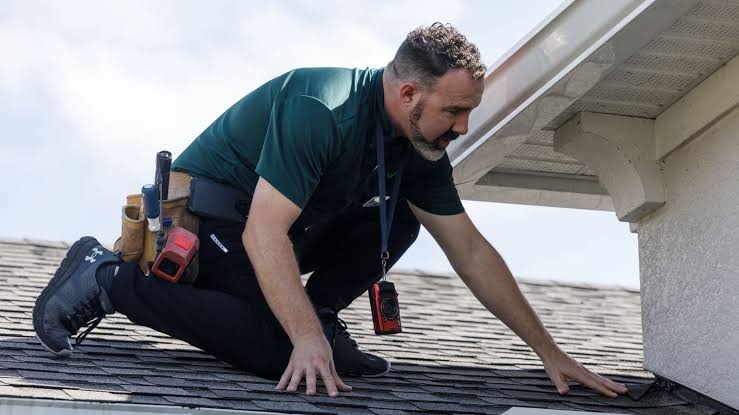
Florida homeowners understand that severe weather can place significant pressure on residential properties. Hurricanes, tropical storms, and powerful wind events can affect roofing systems, windows, doors, garages, and structural connections. While homeowners cannot prevent severe weather, they can take proactive steps to understand how their properties are designed to withstand wind-related forces.
A qualified wind mitigation inspector can evaluate specific construction features that may help reduce the potential for wind damage. The inspection can provide homeowners with useful documentation about the property's roof, structural connections, opening protection, and other relevant characteristics.
Understanding Wind Mitigation
Wind mitigation focuses on features that can make a residential property more resistant to high winds. These features are generally incorporated into the design, construction, or improvement of a home.
Important characteristics may include:
- Roof shape and covering
- Roof deck attachment
- Roof-to-wall connections
- Secondary water resistance
- Gable-end construction
- Window protection
- Exterior door protection
- Garage door reinforcement
Understanding these features gives homeowners a clearer picture of their property's construction and potential storm-resistance characteristics.
What Does a Wind Mitigation Inspector Do?
A professional wind mitigation inspector examines accessible and observable components of a property that may contribute to wind resistance. The inspector documents relevant construction features and prepares a report according to the applicable inspection scope and requirements.
Depending on the property, the evaluation may involve examining:
Roofing Features
The roof is one of the most important areas during a wind-related evaluation. Inspectors may review the roof's shape, covering, deck attachment, and other visible characteristics.
A properly maintained roof is essential because damaged or deteriorated materials can create vulnerabilities during severe weather.
Roof-to-Wall Connections
The connection between the roof and walls plays an important role in transferring wind forces through the structure. Depending on the construction and accessibility, an inspector may document visible connection methods.
Understanding these connections can provide useful information about the home's construction.
Opening Protection
Windows and doors can be vulnerable during high-wind events. Protective features may include impact-resistant glazing, shutters, storm panels, reinforced doors, or other approved protection systems.
The inspector may document the type of protection present and whether supporting documentation is available when required.
Garage Doors
Because garage doors have large surface areas, they can be an important consideration when evaluating wind resistance. Reinforced or impact-rated garage doors may provide additional protection compared with standard installations.
Homeowners should also maintain garage doors regularly and address visible deterioration or operating problems.
Why Professional Experience Matters
Not every property has the same construction methods. Homes can differ considerably based on their age, design, materials, renovation history, and location.
An experienced professional understands how to identify relevant construction features and properly document observable conditions. This can be particularly valuable when a home's mitigation characteristics are not immediately obvious.
Professional evaluation can also help homeowners understand when additional documentation or specialized expertise may be necessary.
Benefits for Homeowners
A detailed wind-related evaluation can provide homeowners with several practical benefits.
These may include:
- Better understanding of the property's construction
- Documentation of protective features
- Improved storm preparedness
- More informed maintenance planning
- Identification of areas requiring additional attention
Having organized information about the home can make future maintenance and improvement decisions easier.
Insurance Considerations
Wind mitigation documentation may also be relevant to homeowners discussing property insurance. Some insurers may consider qualifying wind-resistant features when determining eligibility for certain credits or discounts.
However, insurance policies and requirements vary. An inspection does not automatically guarantee an insurance discount, and homeowners should confirm current requirements directly with their insurance provider.
Accurate documentation is therefore important when submitting inspection information for insurance purposes.
Why Homebuyers Should Consider Wind Resistance
A home purchase is a major financial commitment. Buyers in areas exposed to hurricanes may want to understand how a property was constructed and what protective features it contains.
A professional evaluation can provide useful information about:
- Roof construction
- Structural connections
- Opening protection
- Garage door features
- Secondary water resistance
- Other visible mitigation characteristics
This information can help buyers make more informed decisions about maintenance, storm preparation, and potential improvements.
Preparing Before Hurricane Season
A professional evaluation should be part of a broader storm-preparation strategy. Homeowners should not wait until a hurricane is approaching to discover potential vulnerabilities.
Preventive maintenance may include:
- Checking the roof for visible damage
- Cleaning gutters and drainage systems
- Inspecting windows and doors
- Maintaining garage doors
- Securing outdoor furniture
- Removing hazardous tree limbs
- Checking storm shutters
- Addressing known exterior deficiencies
Regular maintenance helps ensure that protective features remain functional when they are needed.
Technology and Modern Inspection Reporting
Inspection practices have become increasingly detailed in 2026. Digital reporting systems can make it easier to organize photographs, observations, and supporting documentation.
Modern reporting can help homeowners maintain records of their property's features and improvements. These records may become useful when completing future inspections, discussing insurance requirements, or planning renovations.
Technology does not replace professional judgment, however. Proper interpretation of construction features remains an important part of the evaluation process.
Choosing the Right Professional in 2026
When selecting a wind mitigation inspector, homeowners should consider experience, qualifications, reporting practices, and familiarity with applicable requirements.
Before scheduling an evaluation, homeowners may want to ask:
- What does the inspection include?
- What documentation should be available?
- How are findings reported?
- Are photographs included?
- What areas need to be accessible?
- Is the report suitable for the intended purpose?
Choosing a professional who clearly explains the inspection scope can help homeowners avoid misunderstandings and obtain useful documentation.
Why Wind Mitigation Matters in 2026
Florida homeowners continue to place greater emphasis on property resilience and proactive maintenance. Understanding a home's wind-resistant characteristics can help owners prepare for severe weather and make informed decisions about improvements.
A professional evaluation provides an opportunity to document relevant construction features before a storm occurs. It can also help homeowners identify areas where additional maintenance or professional assessment may be appropriate.
Conclusion
Severe weather can challenge every part of a residential property. While no inspection can guarantee that a home will remain undamaged during an extreme storm, understanding its construction can help homeowners prepare more effectively.
A qualified wind mitigation inspector can document important features involving the roof, structural connections, windows, doors, garage, and other components associated with wind resistance. This information can support storm preparedness, property maintenance, and informed insurance discussions.
For homeowners and buyers in 2026, taking a proactive approach to wind resistance can be a valuable part of protecting one of their most important investments.

About Premium Author
This post has been authored and published by one of our premium contributors, who are experts in their fields. They bring high-quality, well-researched content that adds significant value to our platform.

Popular Categories
Stay Connected
Recent Posts